News
Co-Create Regional Placemaking Exchange Event Series
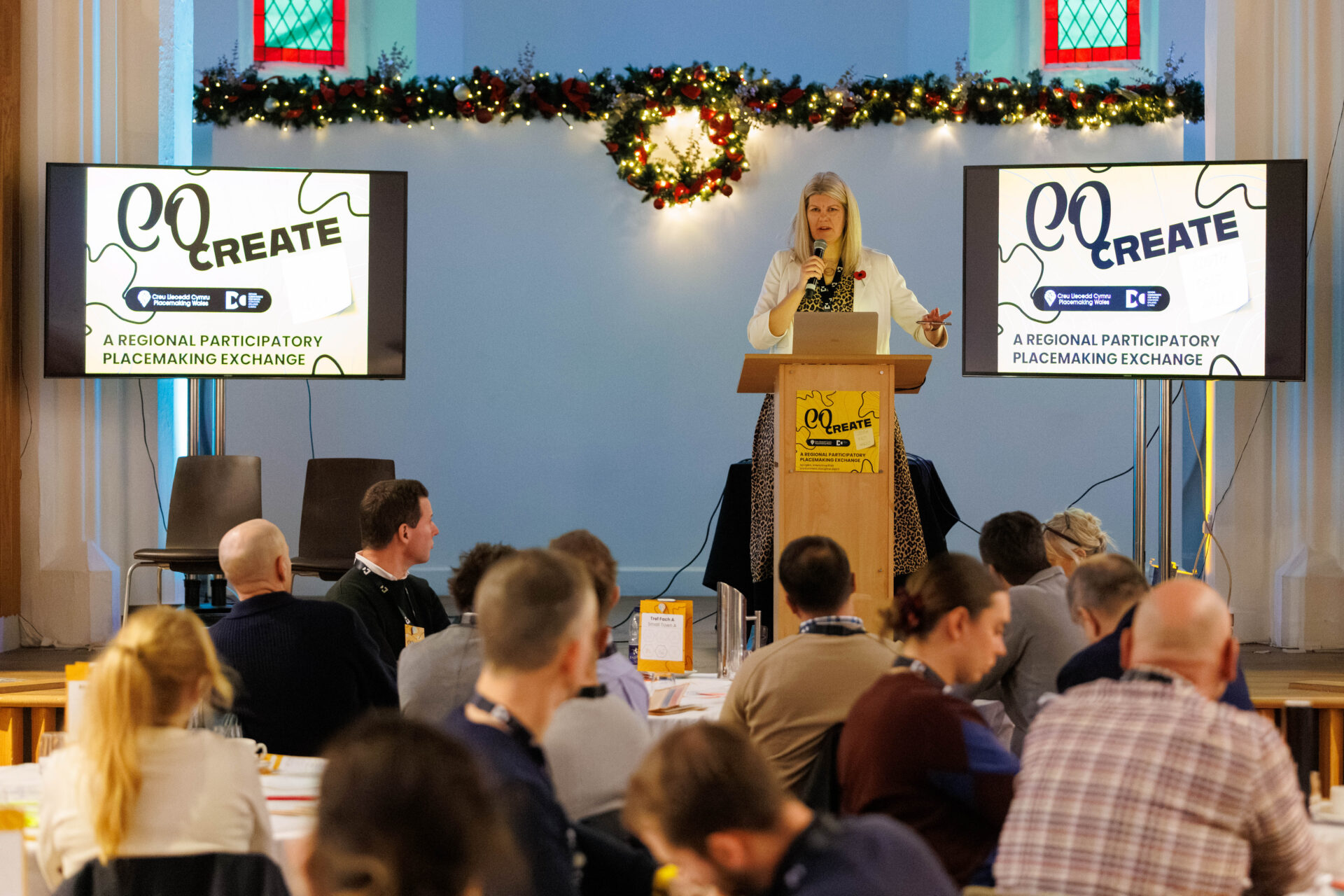
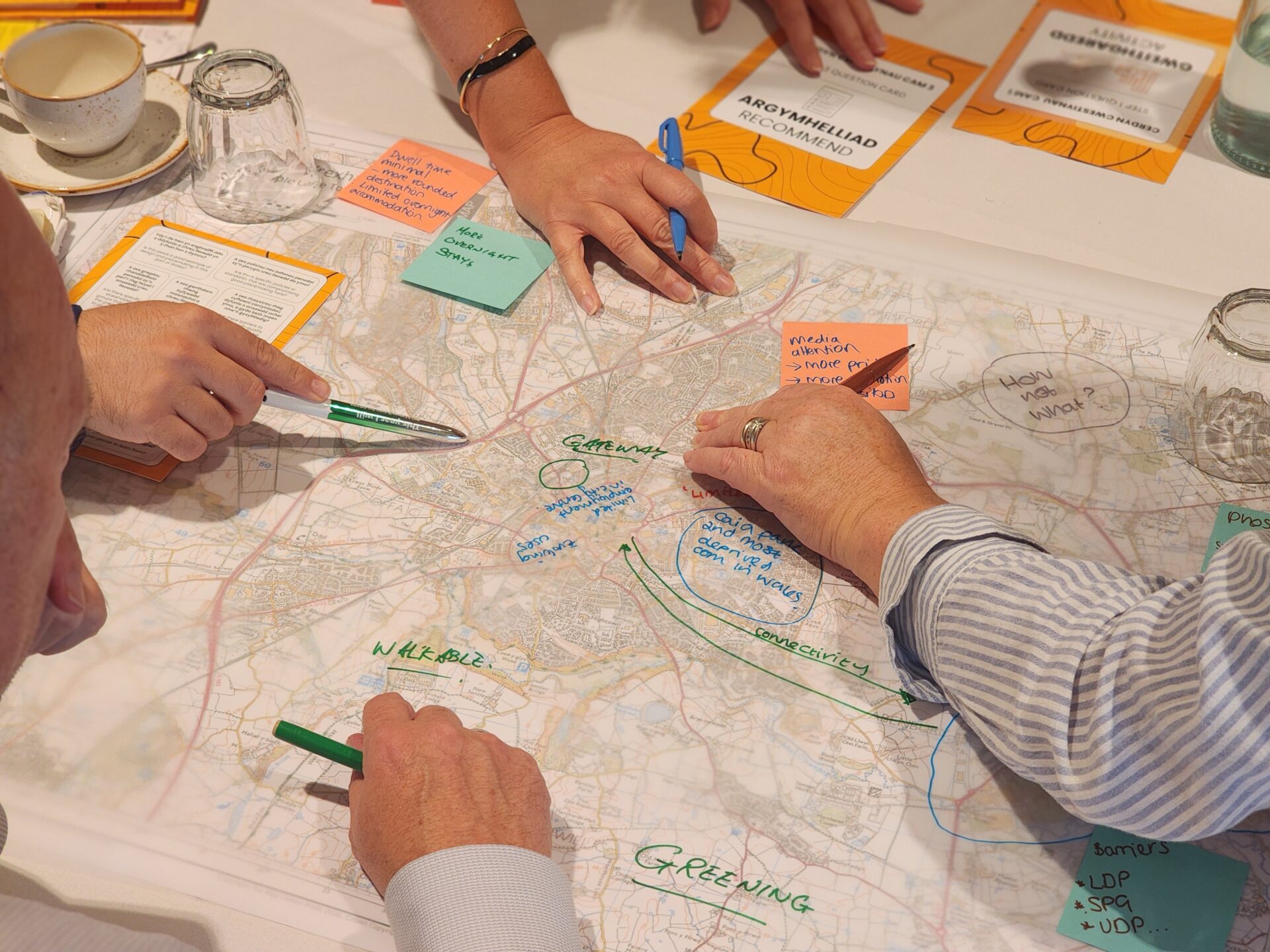
Over 120 built environment professionals joined our Co-Create Placemaking Exchange across four Welsh regions this autumn. Each event was met with enthusiasm, and whilst the emphasis differed across regions, some clear messages emerged. There is huge energy, optimism, and appetite to break out of disciplinary silos and put communities at the heart of placemaking. We will continue to draw out different findings from all the information collected, but in this article, we highlight some key points. DCFW and the Placemaking Wales Partnership will champion systemic change by taking forward participants’ clear recommendations on regional transport integration, local authority capacity, and long-term maintenance funding into our ongoing national conversations with partners and decision-makers.
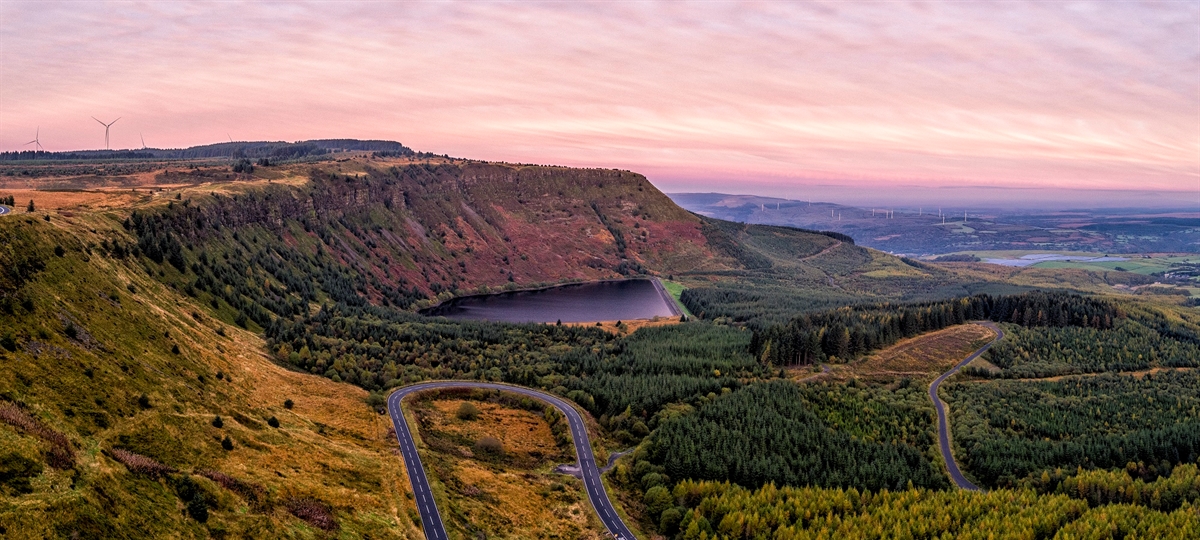
We have previously shared regional snapshots of what stood out at each event as they happened. Together they provide a clear overview of how built environment professionals can support placemaking across Wales. In South West Wales, the focus was on early community involvement, stronger regional transport links, and better integration of green spaces to encourage local use. In North Wales, the focus was on building a unified regional vision, broadening the workshop to inform others further afield, across RSL/LAs/clients, and breaking down institutional silos. Mid Wales emphasised climate resilience, active travel, and practical ways to turn existing place plans into delivered projects through local champions. Lastly, South East Wales concluded by championing hyperlocal, bottom-up engagement, moving beyond superficial public-realm fixes, and securing long-term funding for maintenance and longevity.
Further review of participants’ feedback from each region on what they took away from the exchange that day has helped set out the next five steps placemaking can take across Wales:
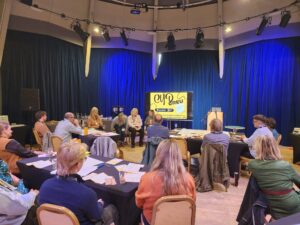
1. Collaboration was the top priority in each region to support better placemaking: face-to-face, cross-disciplinary networking and discussion will give space to step away from day-to-day pressures, spark fresh thinking, and build new working relationships. This reaffirms that “bringing different disciplines together is really valuable” and that joined-up thinking drives better places.

2. Secondly, community engagement must be early, hyperlocal, and bottom-up. Placemaking cannot be done to communities; it must be built with them from day one. Participants stressed the power of local voices, community champions, and hyperlocal grassroots initiatives, calling for “more resources are needed for Local Authorities to make sure the LDP/SDP isn’t top-down” and feels genuinely bottom-up. A key challenge is how to feed this input up to the larger scales of strategy and planning.
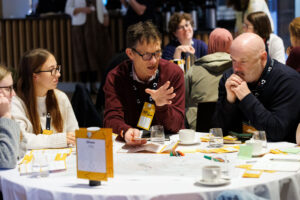
3. Participants recognised that placemaking applies at every scale, from temporary pop-up interventions in a single building to entire regional strategies. Placemaking is holistic, “far more than bollards and benches”, and considers how spaces function across past, present, and future contexts. It requires long-term funding, maintenance, and stewardship to ensure improvements endure.
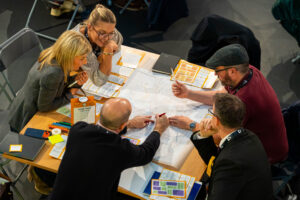
4. Fourthly, connectivity and resilience are essential. A shared national thread emerged around how people move through and experience places, driven by better connections and design for change through improved public transport and active travel, alongside integrated green infrastructure and climate action. This shows that collaboration across local authority boundaries is vital to unlocking thriving places.
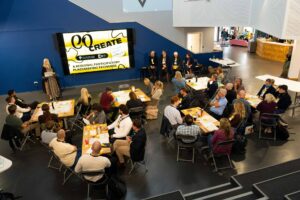
5. Finally, sharing best practice accelerates understanding and delivery of better placemaking for everyone. Participants found detailed insights into place planning frameworks in Ceredigion and community-led regeneration in Newport to be a “very valuable case study” of placemaking in action, and an interest in learning from places outside Wales as well.
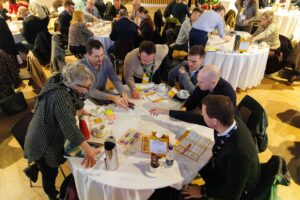
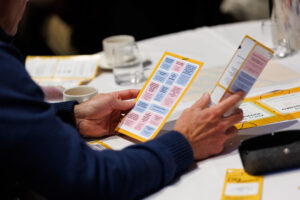
In the spirit of the event, we also welcomed feedback on how the participatory element ran and how helpful the workshop steps were. This evolved the exchange in real time as we adapted the format from event to event, and has now culminated in a new placemaking material resource which is
available to download, with a facilitator’s guide to encourage new and ongoing placemaking exchanges on the ground across Wales. Whether within organisational teams or alongside other built environment professionals, we hope it will help develop shared, good placemaking standards and create time to think by doing together. We will be offering further training and facilitation based on the resource in the near future.
This is just the beginning of the placemaking exchange; the network should grow, act as a catalyst for sharing practical lessons, and help turn existing placemaking plans into funded, championed projects on the ground. For DCFW, it has sparked ideas for our next steps. In response to strong support for more dedicated thematic sessions, including culture-led placemaking, we are exploring options for future event(s), such as a live project site visit and guided walkabout, to ground future discussions in a real place. We want this to be a national Co-Create event in the near future and to broaden participation within the Placemaking Wales Charter network. We look forward to sharing more details soon.
FACILITATORS GUID
This guide outlines how to set up the Placemaking exchange workshop on your own.