News
Lessons from Wales’ Town Booster Pilot Programme
The Town Booster Pilot Programme has been testing a hands-on, community-engaged approach to town centre regeneration which seeks to generate immediate visible action to bridge the persistent gap between planning and delivery.
Across Wales, many town centres continue to experience economic, social and environmental challenges. These pressures are often visible in empty premises, lower visitor numbers and declining confidence in town centres. Although local authorities have developed placemaking plans to respond to these issues, progress on delivery can be slow while funding and implementation arrangements are put in place.
Empowering Community Action
Developed by Creative Communities International and led by placemaking practitioner David Engwicht, the Town Booster initiative has been tested in over 40 towns across Australia and New Zealand. Through a Welsh Government-commissioned pilot overseen by the Design Commission for Wales, it was adapted to a Welsh context.
The programme is based on the idea that short, intensive periods of community-led activity can transform both the physical environment and perceptions of place.
A Narrative-Changing Week
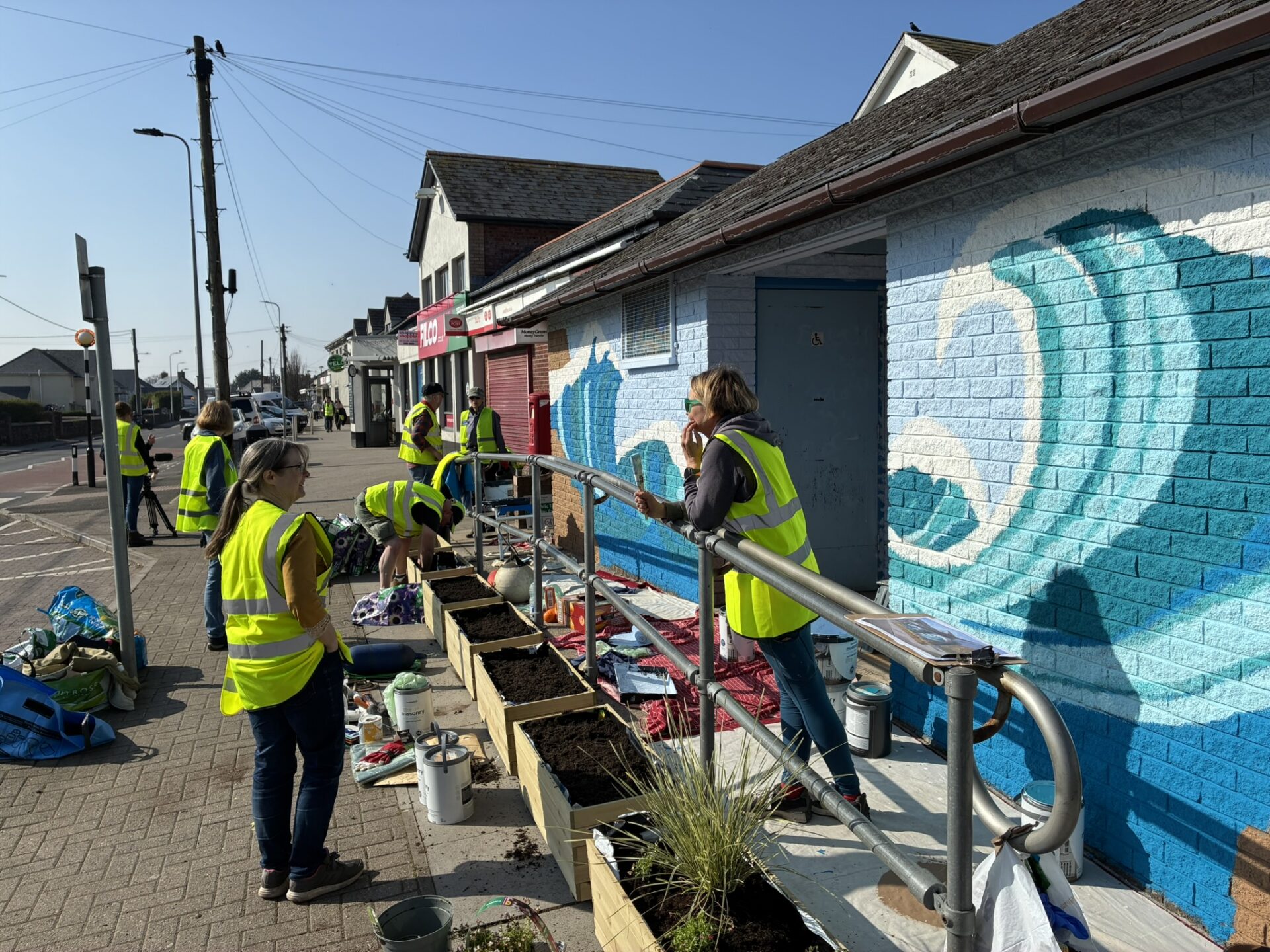
The programme centres on a one-week process combining workshops with local authorities, town councils, businesses and residents, culminating in a ‘makeover day’. This involves low-cost interventions to improve the look, feel and social function of town centres.
Beyond physical changes, the programme builds community confidence, encourages businesses to attract footfall, and supports local authorities to take a more enabling role. It demonstrates that regeneration can begin immediately, even with limited resources.
A Learning Process
The approach has been tested in Abertillery, Llantwit Major and Abergele, with each town offering valuable lessons.
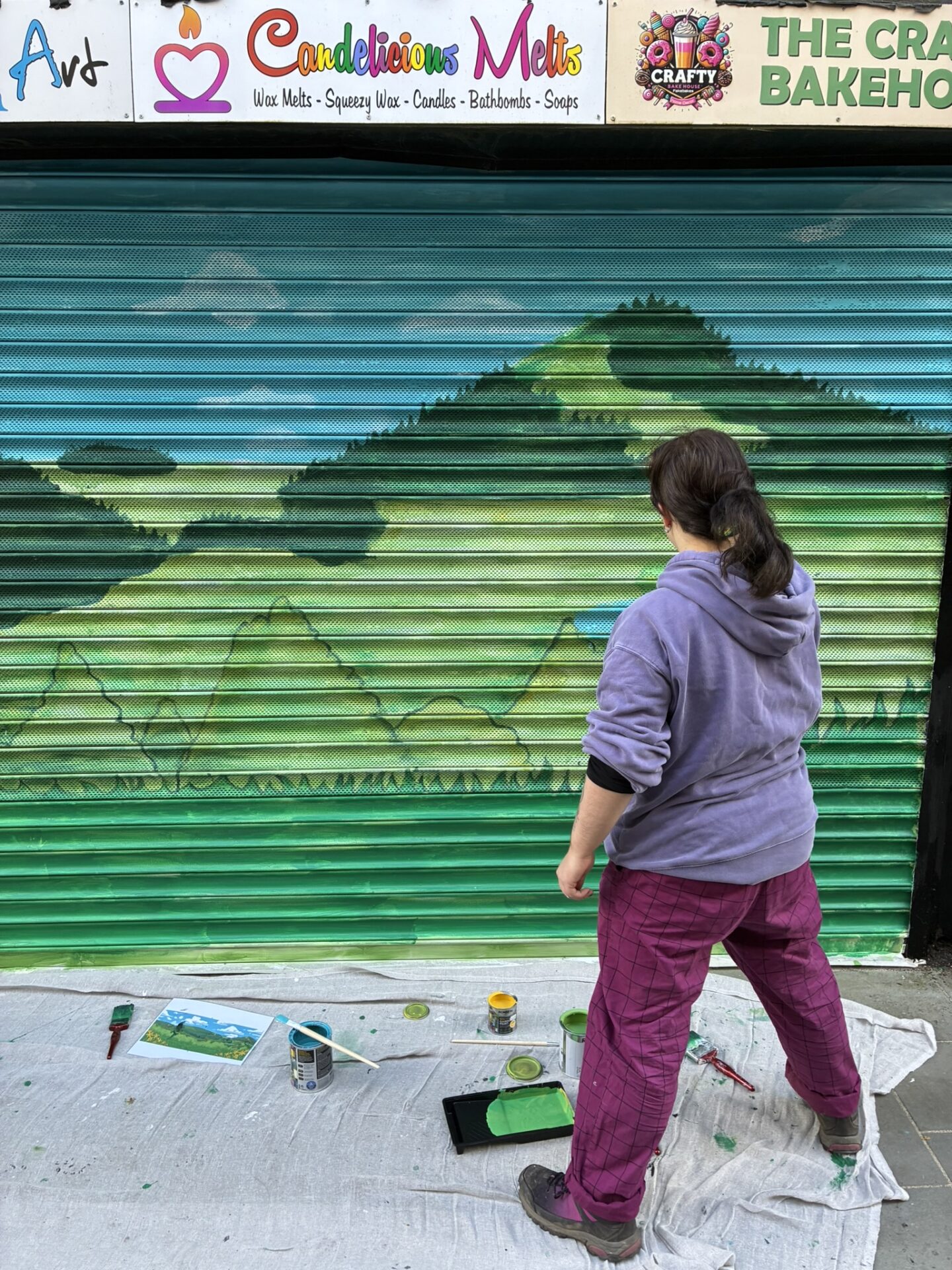
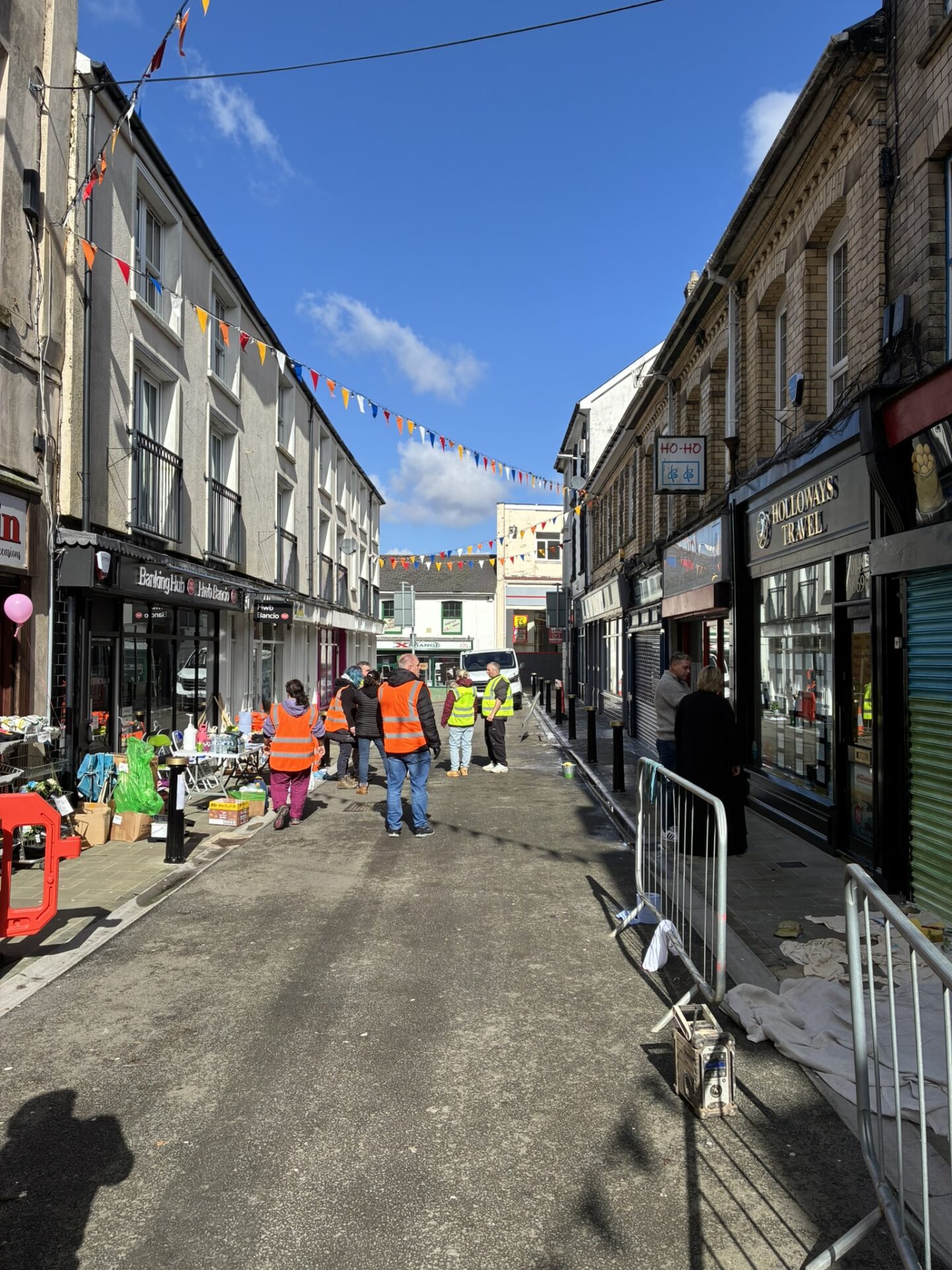
In Abertillery, engagement during the week was modest, but the makeover day generated strong public response. Volunteers cleaned shopfronts, painted bollards, installed bunting and created a shutter mural. The visible impact sparked positive feedback and growing interest from local businesses keen to replicate improvements.
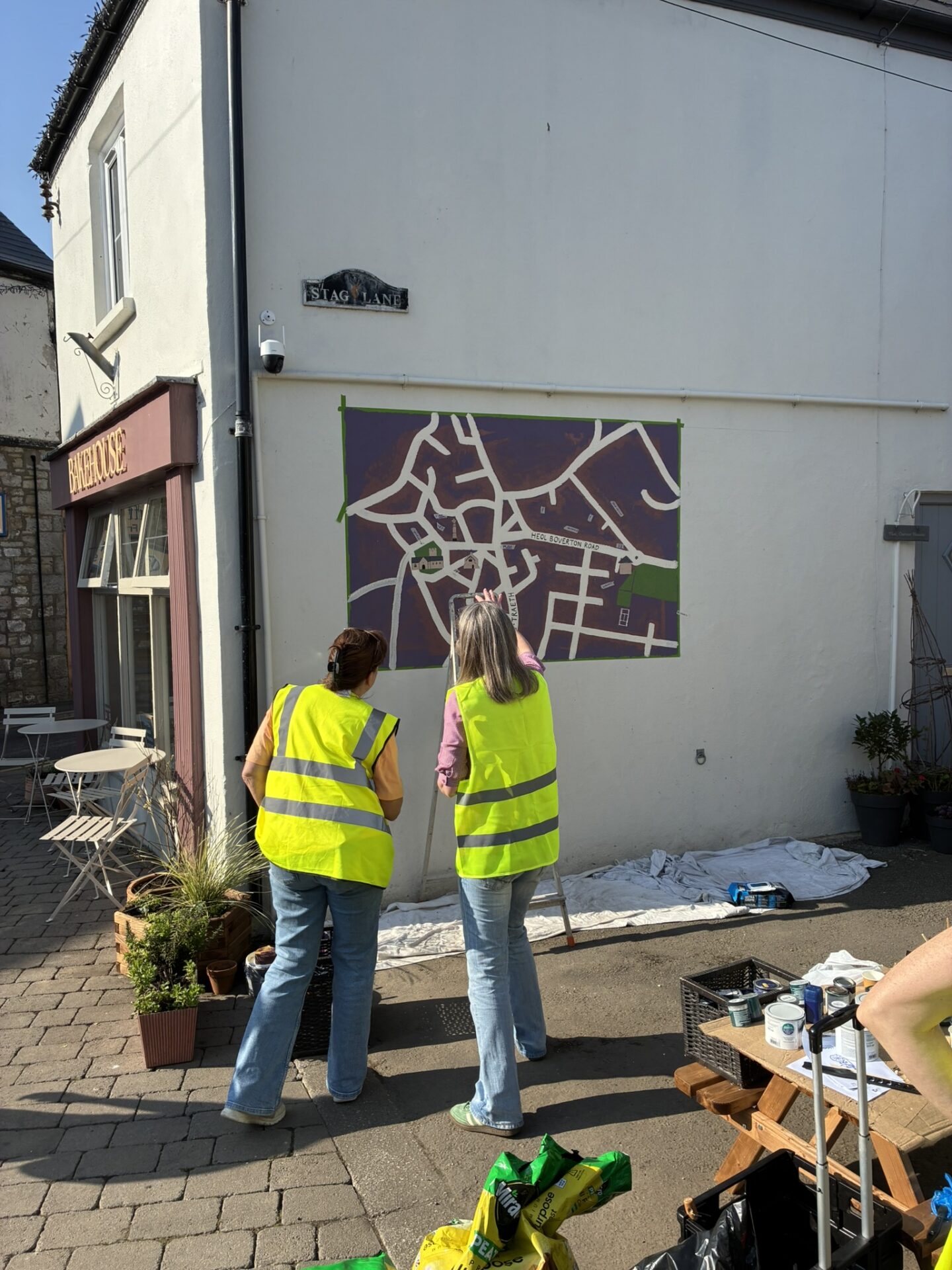
Llantwit Major saw higher engagement throughout the week, and 29 participants on makeover day. Improvements included planters, movable street furniture, a hand-painted town map and repainting a public toilet block, creating a strong sense of energy and optimism and a desire for further improvements.
In Abergele, business engagement was particularly strong, and the makeover day focused on transforming a public space in front of the library.
Each town worked with a modest £2,500 makeover budget, highlighting that impactful change does not depend solely on large-scale investment.
What next?
As the pilot evolves, its long-term success will depend on sustaining momentum. This includes local authorities adopting enabling roles, businesses and communities becoming active contributors, and continued follow-on activity.
In this respect, the programme was concerned not only with physical improvements, but also with changing how regeneration is approached and delivered.
Reframing Regeneration
Perhaps most importantly, it challenges the narrative of decline that can become entrenched in struggling town centres. By enabling visible, collective action, it helps communities see themselves not as places waiting for investment, but as communities capable of initiating change.
As lessons from the pilot are considered, the model offers clear potential for wider application across Wales—demonstrating that regeneration does not need to start with scale, but with action.