News
The Potential of Culture and Placemaking in Wales
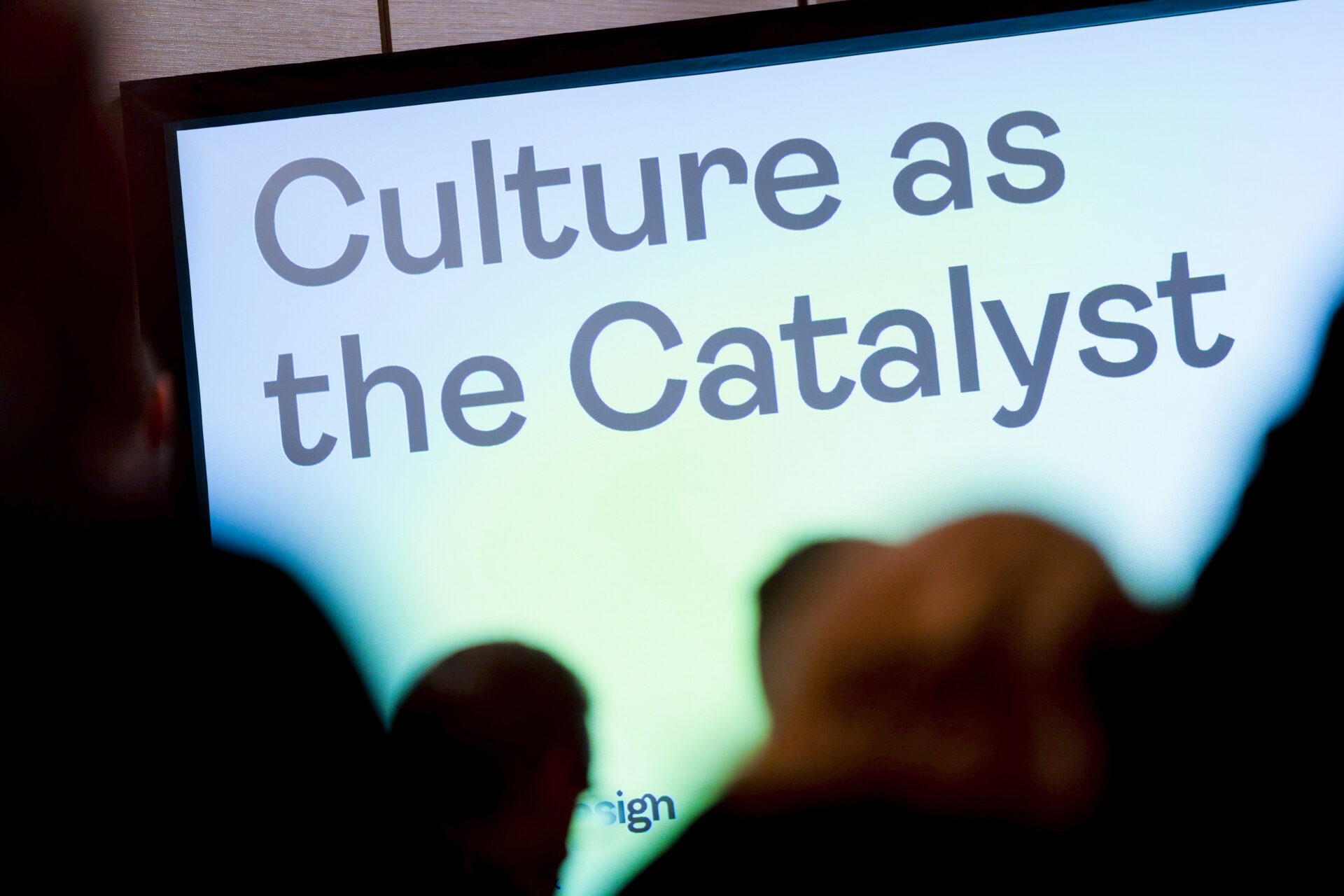
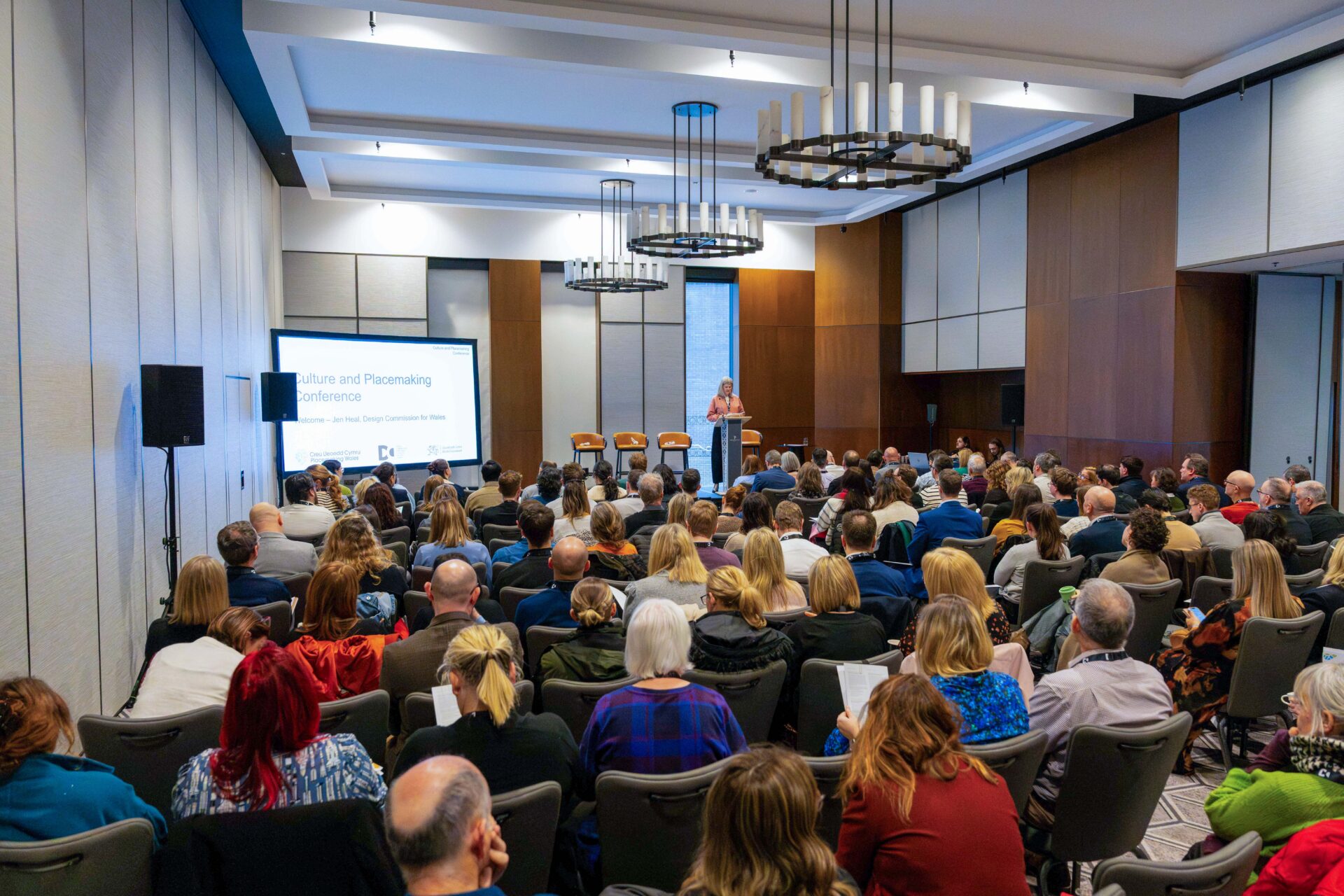
In March 2026, the Design Commission for Wales (DCFW), funded by Welsh Government, hosted a national conference, exploring the relationship between culture and placemaking. Bringing together local authority officers, practitioners and cultural leaders, the event created space to reflect on the potential of considering culture and placemaking together.
The Placemaking Wales Charter already highlights People and Community and Identity as core principles. Culture sits at the heart of both, yet, as discussions at the conference revealed, there is significant untapped potential in how cultural activity, knowledge and networks can shape better places.
What Culture Brings to Placemaking
The range of presentations and workshops at the conference revealed some key opportunities in bringing a greater consideration of culture into placemaking.
- A Deep Understanding of Place
Cultural groups, both formal and informal, hold rich, lived knowledge about their communities. Engaging with them early can reveal insights that no dataset or technical study can replicate. Many of the most effective ideas shared at the conference originated from within communities themselves. It is important to discover these groups, activities and stories.
- More Meaningful Engagement
The cultural sector brings distinctive skills in engagement and participation. Creative approaches, such as events, storytelling and arts-based activities, can reach people who may not engage through traditional consultation methods. While digital tools have a role, the value of in-person interaction and relationship-building remains critical.
- Activity That Animates Places
A consistent message from the conference was clear: “When people gather, places come alive.” Cultural activity can generate immediate energy, drawing people in, increasing footfall, and creating a sense of momentum. This activity-led approach can help build demand for places, which physical improvements alone often struggle to achieve. In this sense, culture is not just complementary to regeneration it can be a starting point.
- Unlocking Local Energy and Enterprise
Engagement with cultural networks often reveals a latent demand for space and opportunity. Matching this with underused buildings or public spaces can unlock new uses and support creative enterprise. In many cases, the role of local authorities is not to create something new, but to enable what already exists to flourish.
- Strengthening Identity and Belonging
Cultural activity helps express and reinforce the identity of a place. It can also play a vital role in building connection, particularly in places where people may currently feel disconnected from their town centres or neighbourhoods. Supporting culture is therefore an investment in belonging, pride and social cohesion.
- Wider Social and Economic Benefits
The benefits extend beyond placemaking outcomes. Cultural activity can:
- Reduce loneliness.
- Improve perceptions of safety.
- Create economic opportunities through events and local enterprise.
- Build common ground across diverse communities.
Challenges to be Aware of
The conference also highlighted important risks that must be avoided or carefully managed.
- Inclusive Engagement
There is a risk of engaging only with the most visible or established groups. Culture is diverse and evolving so meaningful engagement requires time, effort and a commitment to reaching a broad cross-section of communities.
- Sustaining Community Effort
Much cultural activity relies on committed individuals and volunteers. While this energy is invaluable, over-reliance can lead to burnout. Support structures and recognition are essential to sustain this contribution.
- Avoiding Displacement
As places change, there is a risk that the cultural activity that contributed to their success is displaced. Rising rents or insensitive development can erode local identity. Placemaking must protect and amplify existing culture, not overwrite it.
- Breaking Down Silos
In many local authorities, culture, regeneration and planning functions operate separately. This fragmentation limits impact. Greater integration is needed to fully realise the benefits of a placemaking approach.
Key Recommendations
Drawing on the discussions, several clear priorities emerge for policy and practice:
- Integrate Culture from the Start
Cultural insight and activity should inform early-stage thinking, not be added later. This helps ensure that investment aligns with local identity and need.
- Resource Creative Engagement
Build time, budget and expertise for cultural engagement into projects and recognise that this is fundamental to achieving better outcomes.
- Enable
Local authorities have a critical role in creating the conditions for activity to happen by removing barriers, supporting access to space, and adopting an enabling mindset.
- Connect and Support People, Spaces and Opportunity
Actively match cultural groups and entrepreneurs, underused buildings and spaces, and opportunities for activity and enterprise. Provide ongoing support for the contribution of community and cultural organisations, as well as clear pathways to funding and delivery, and knowledge of mechanisms such as community ownership and social enterprises.
- Join Up Policy and Delivery
Continue to work on breaking down silos between departments such as culture, regeneration, planning, and economic development. A joined-up, place-based approach is essential.
- Start Small and Build Momentum
Not all change requires major capital investment. Small, visible interventions can build confidence, demonstrate potential, and create momentum for longer-term transformation.
- A Shift in Mindset
Perhaps the most striking theme from the conference was the need for confidence and courage. There is an opportunity to bring more life, creativity and even fun into our towns and public spaces. This requires a shift away from risk aversion towards a more enabling, experimental approach that trusts communities and supports them to act.