News
Cynefin: Placemaking and Future Generations
The early months of a new government set the tone for everything that follows. In those crucial decisions, placemaking must not be treated as an afterthought.
Government choices shape the places we live in every day—where homes are built, how people move around, whether high streets flourish or fade, and whether communities feel safe, connected and hopeful.
The questions for this new government are simple: will it put placemaking principles at the heart of decision‑making, and will it embed the Welsh values set out in the Well-being of Future Generations Act into the way we design and care for our places?
Placemaking is not just about regeneration or infrastructure. It is about stewardship—shaping places for the people who live here now and for those who will inherit them.
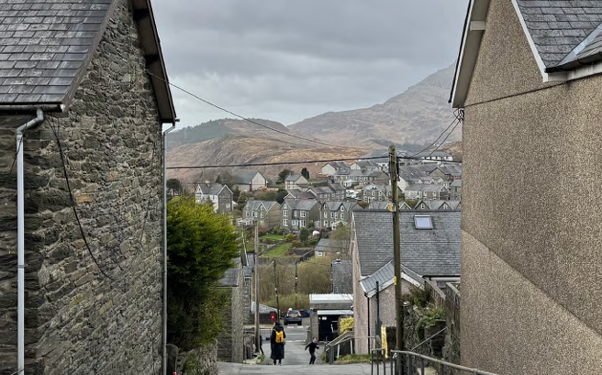
A single Welsh word captures this beautifully: cynefin. Often translated as “habitat,” it means much more than that. Cynefin describes the deep relationship between people and place—the landscapes, culture, language and communities that shape our identity. When we talk about placemaking in Wales, we are really talking about nurturing our shared cynefin.
The latest Well-being of Wales data shows why this matters. Around 13% of people in Wales feel lonely, and only 68% feel safe after dark in their local area. The gender gap is stark: 82% of men feel safe after dark, compared with just 56% of women.
Another challenge is trust and influence. Only 19% of people feel able to influence decisions affecting their local area—a sharp drop from 30% in 2021–22. When people feel disconnected from the decisions shaping their towns, high streets and public spaces, it becomes far harder to build places that genuinely reflect community needs.
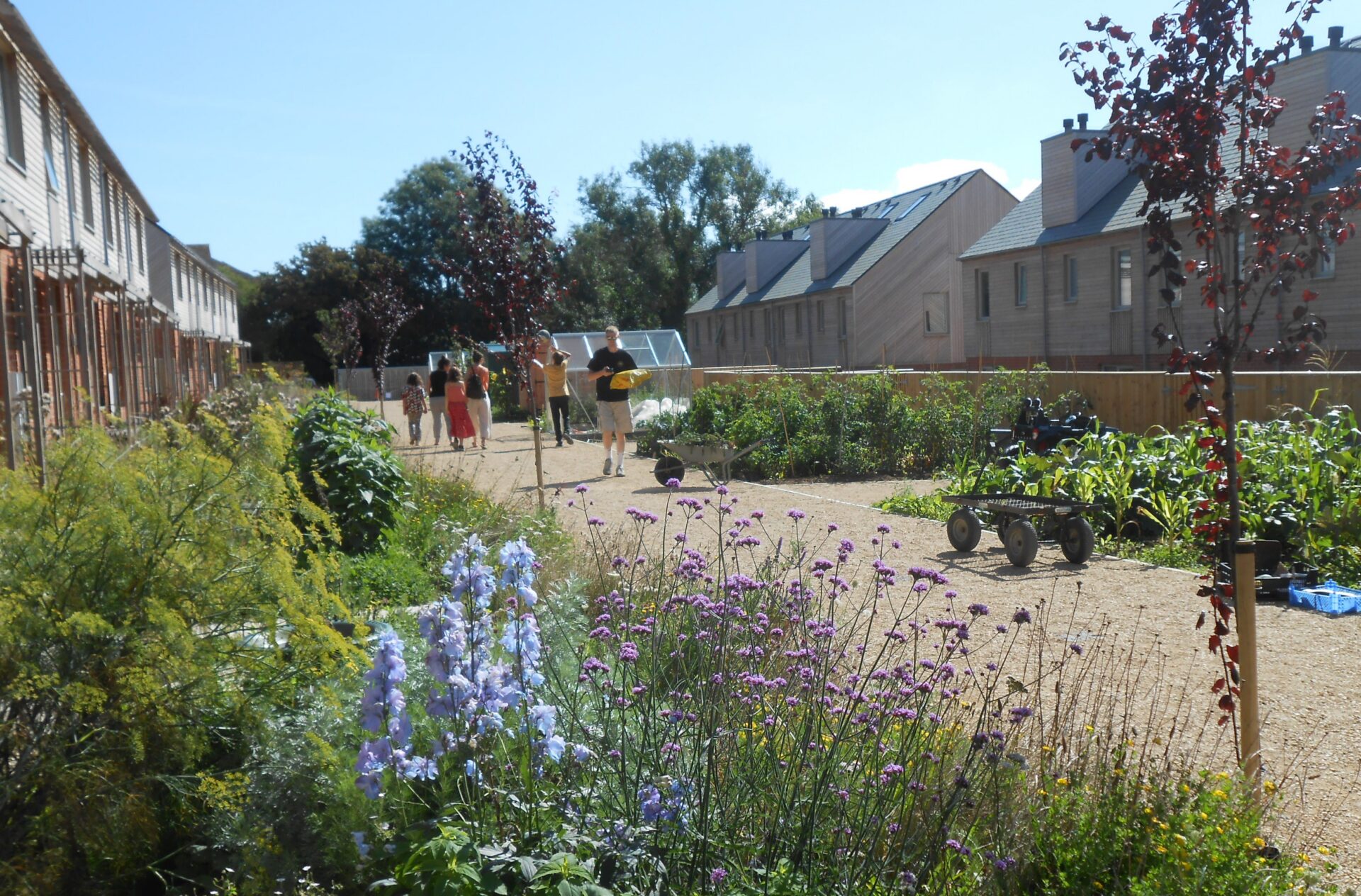
Yet across Wales, we are already seeing what is possible. In Newport, volunteers from Repair Café Wales run a thriving community repair and reuse hub—an example of how local initiatives can support wider ambitions, from reducing waste to strengthening community connection. Wales now has three times as many repair cafés per capita as the rest of the UK.
But isolated success stories are not enough. Systemic commitment to placemaking still needs to grow. More than 100 organisations have signed the Placemaking Wales Charter, yet when I published my Future Generations Report last year, only 15 of the 56 public bodies covered by the Act had formally committed to it. Encouragingly, this is changing. Since the report’s publication, ten more public bodies and Public Services Boards have signed the Charter—bringing us close to half.
Placemaking cannot sit solely within planning departments. Health boards, cultural institutions, environmental bodies and transport systems all shape the conditions that determine whether people feel connected to their communities.
If we want thriving places, we must also give communities greater power to shape them. Proposals such as a Community Right to Buy Act could help local people protect heritage buildings, create cultural spaces and safeguard the assets that matter most to them.
Culture must be central to this conversation. Too often it is treated as decoration rather than foundation. Yet cultural spaces, creative freelancers and community initiatives are often what bring places to life. My call for a Culture Act for Wales is about exploring how we can strengthen cultural wellbeing and support local authorities to invest in and nurture their cultural offer.
When we get placemaking right, we do more than regenerate buildings. We rebuild confidence. We create places where heritage thrives, communities prosper and where people want to live for generations to come.