News
Embedding Placemaking in Architectural Education
In this article, Matthew Thomas of Cardiff Metropolitan University reflects on how placemaking can be embedded within architectural education to better prepare students for practice.
Transitioning from architectural practice into education, I was keenly aware of the often-discussed gap between university and practice. What has been particularly revealing is how students initially perceive the role of the architect: how they understand context, frame design problems, and approach architecture as emerging designers.
One concept that was fundamental in practice, yet largely absent from students’ early vocabulary, is placemaking. Students arrive with little understanding of the direct relationship between physical, historical and social context and the creation of meaningful architecture. Early design work often treats the building as an isolated object ‘floating on a white page or screen’ disconnected from its surroundings. Unless addressed directly, placemaking risks being understood as an abstract academic reference rather than an active design process and a primary driver of architectural narrative.
The Placemaking Wales Charter provides a clear and practical framework for addressing this gap. It enables students to analyse sites rigorously, develop proposals with purpose, and test ideas against real urban conditions, while grounding placemaking within a statutory and policy context. For this reason, the Placemaking Charter has become an embedded tool within the BA Architecture programme at Cardiff Metropolitan University, rather than something referenced retrospectively.
This approach is also informed by my experience in architectural practice, where the long-term success of projects was shaped less by isolated buildings and more by how architecture contributed to streets, public spaces, movement patterns and everyday life. Translating this understanding into studio teaching has meant ensuring that placemaking is not taught as a standalone topic, but as the foundation for design thinking.
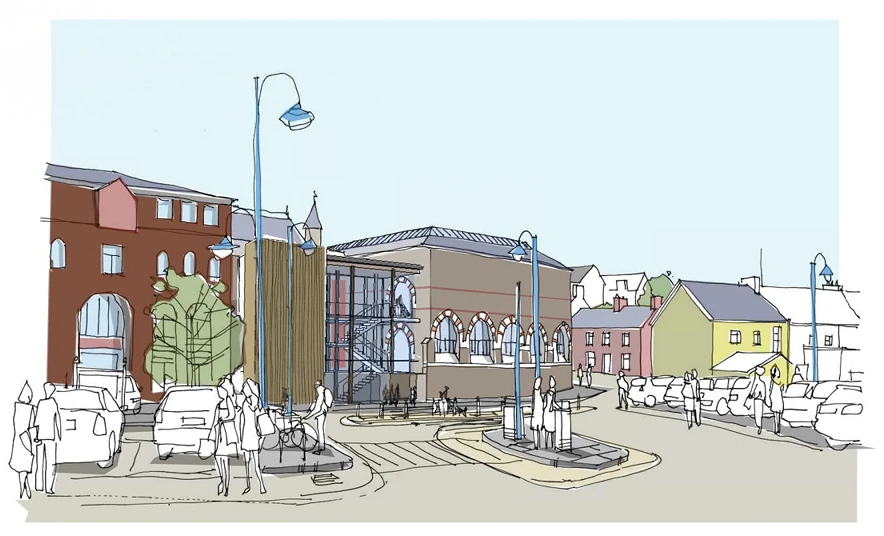
The Placemaking Charter is introduced at the outset of each project and embedded directly within the design brief. Students begin with structured site analysis and area studies that prioritise people, movement, identity and public realm before architectural form is considered. Using a purpose-designed Site Analysis ‘Zine, students investigate walkability, activity patterns, climate, edges, landmarks and social infrastructure, drawing connections between physical conditions and lived experience. This ensures that proposals emerge from an understanding of place, rather than being imposed upon it.
Analysis is followed quickly by a Site Response task, requiring students to translate observations into spatial intentions. The Placemaking Charter’s six principles: People and Community, Movement, Public Realm, Location, Mix of Uses and Identity, are used explicitly as concept drivers. Students must articulate how their proposals reinforce movement networks, support community wellbeing, activate edges and contribute positively to the public realm.
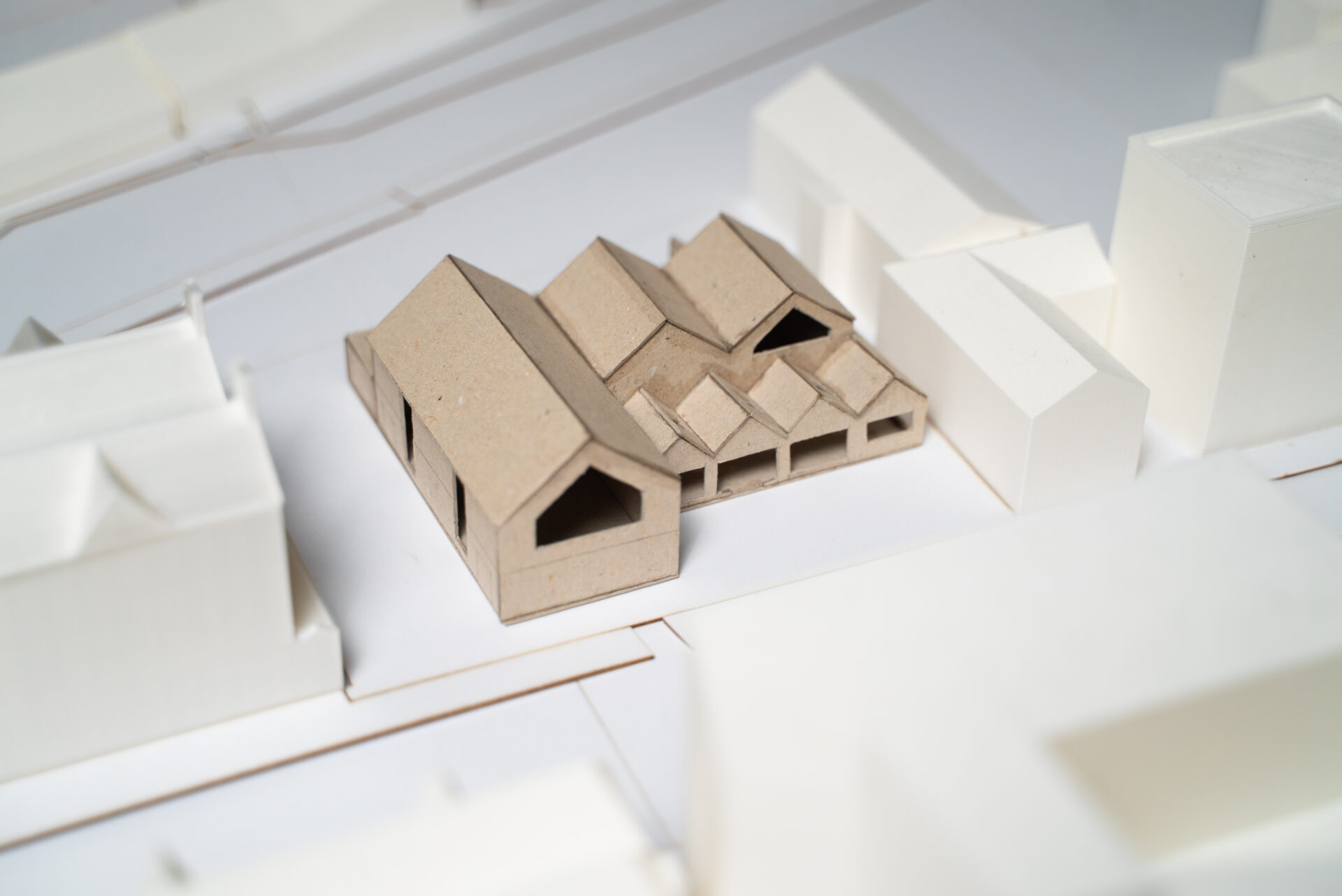
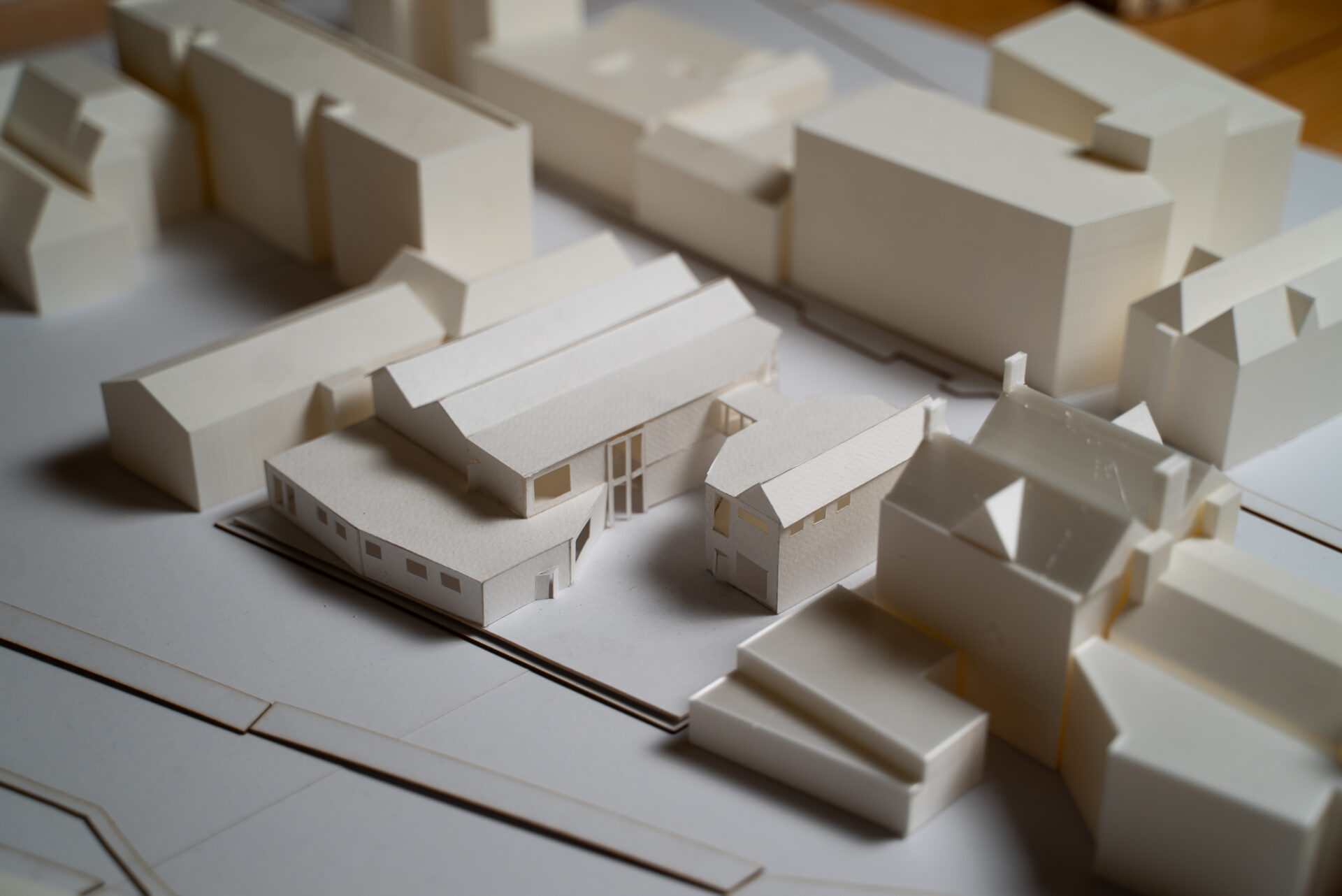
Physical modelling plays a key role. Students produce multiple simple massing models that are placed within a shared site context model kept permanently in the studio. Reviewing proposals collectively encourages discussion around scale, enclosure, permeability and urban grain, reinforcing the idea that placemaking is relational: each project affects the wider context, not just its own footprint.
Learning is further deepened through structured group workshops. Before tutor feedback, students discuss their designs with peers by narrating the experience of place. They ‘walk’ the group from approach and arrival, through the public realm, into the building and through key spaces, considering different users and times of day. This peer-led process tests ideas through shared understanding and strengthens the experiential logic of each proposal.
By embedding the Placemaking Wales Charter within tasks, models and discussion, students learn to practise placemaking rather than merely reference it. They gain a shared language for discussing place quality, confidence in explaining design decisions in human terms, and an understanding of architecture as a civic act; one that shapes social life, movement and identity over time.
As Jan Gehl succinctly states: “First life, then spaces, then buildings — the other way never works.”