News
Creating a Culture of Design Review
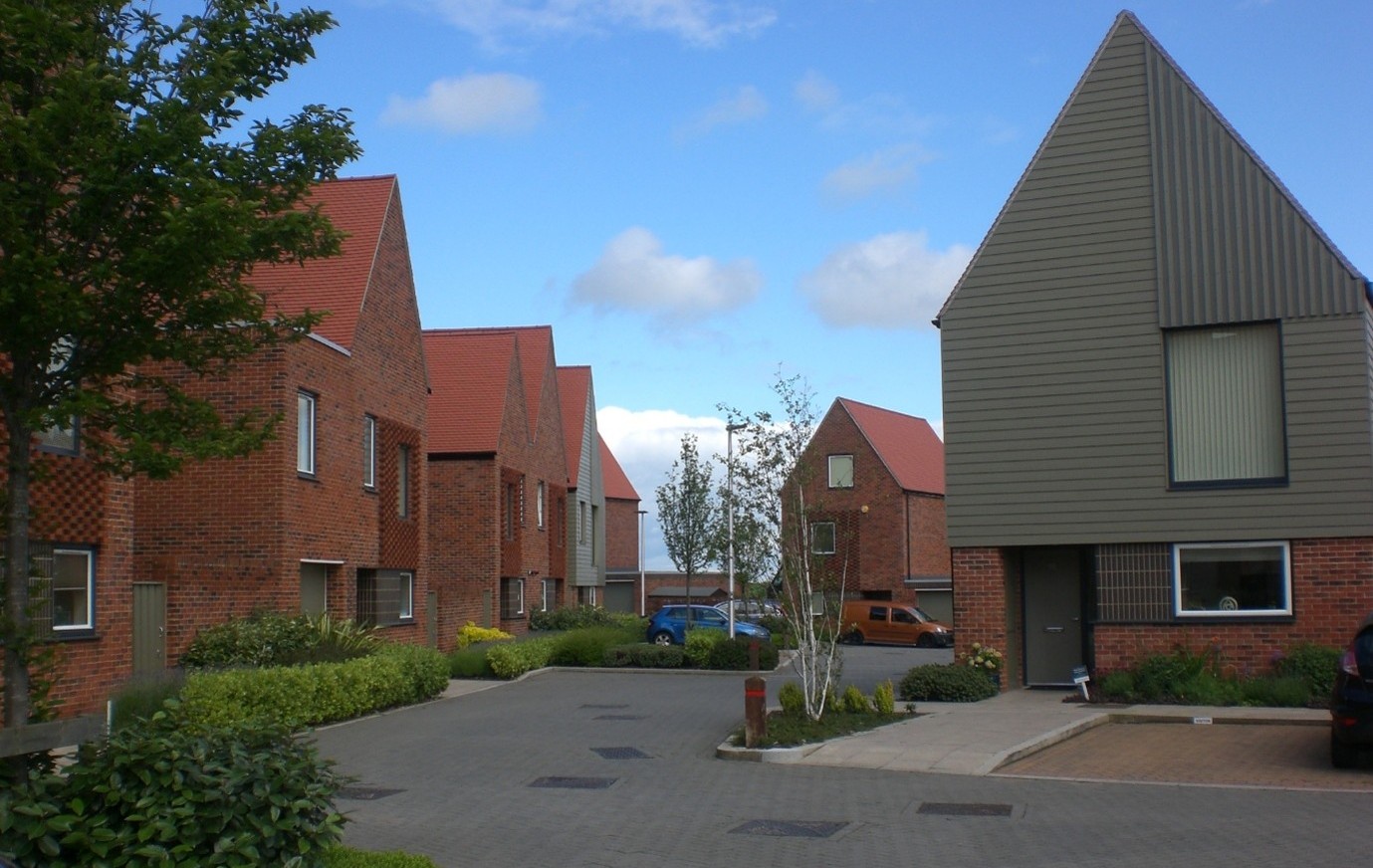
 (Image Credit: Heather Birnie)
While Design Review is often associated with an independent panel, the principles that underpin it – discussion, constructive challenge and shared learning – can also shape the way organisations work. Creating opportunities to reflect on projects, test ideas and learn from colleagues helps embed these principles within organisations and can lead to better outcomes over time. We invited contributors from different sectors to reflect on how they create space for these conversations within their own organisations and the value this brings to their projects and teams.
An Architectural Practice Perspective
Niall Maxwell, Principal of Rural Office
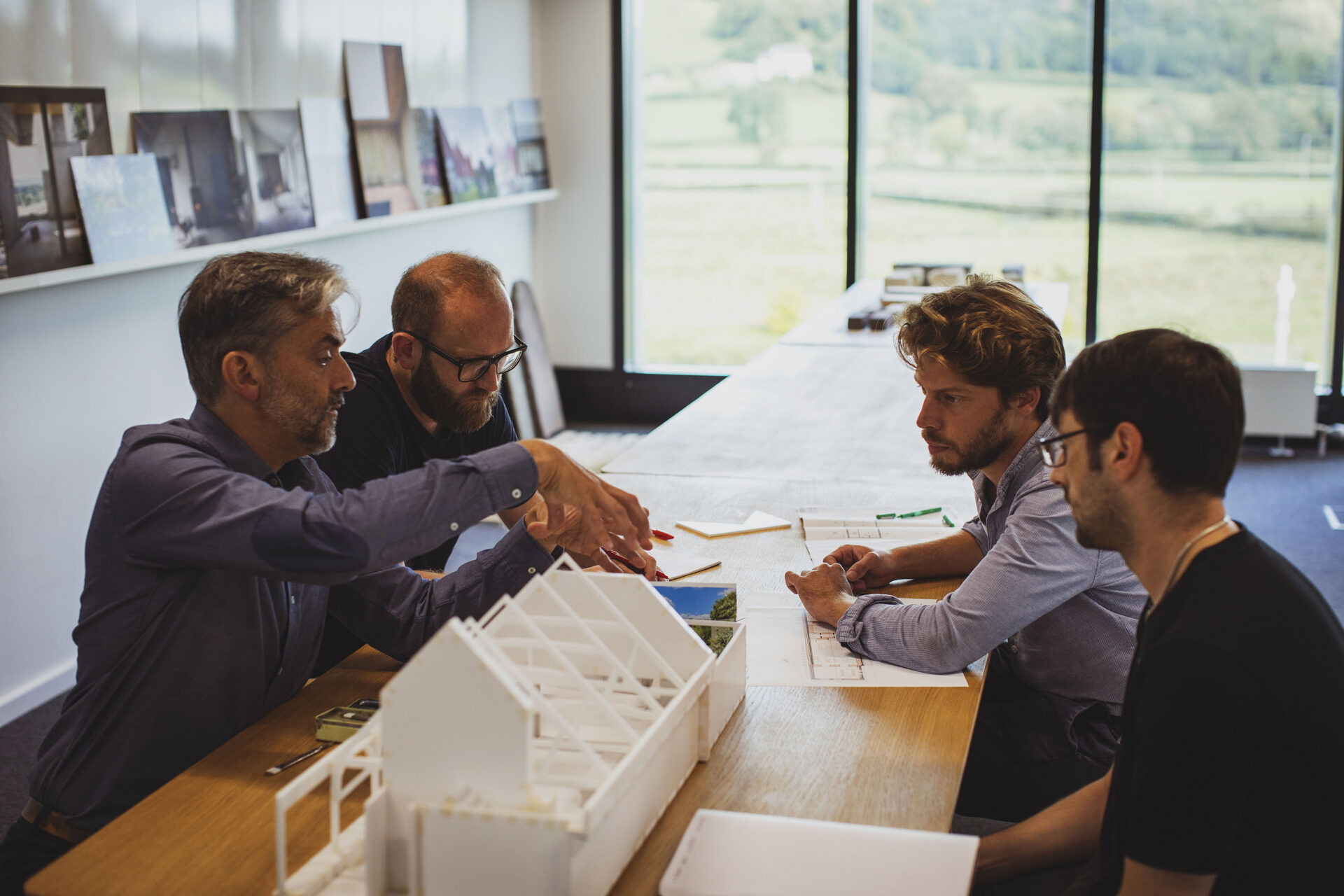
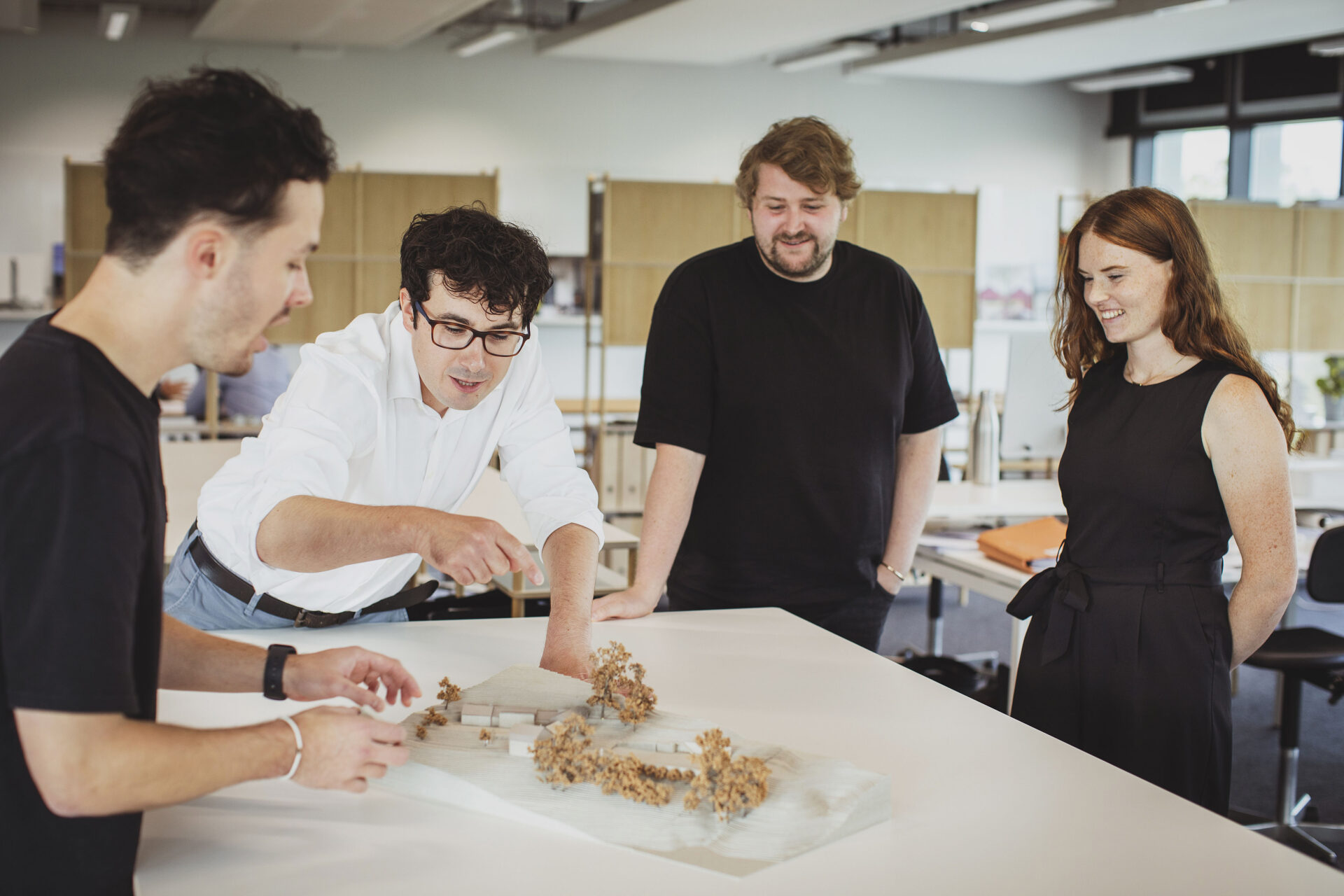
As a small creative practice working from our studio in rural Wales, we have grown organically over the years from a sole practitioner to a team of twelve from across Europe. As the practice has evolved, so too has our design culture, with more structure introduced to support discussion, learning and accountability.
This takes the form of regular informal ‘table talks’ with the design lead, where project architects develop their projects through critical discussion, alongside more formal stage reviews where we audit the design process and scrutinise risks and priorities as projects move through the RIBA Plan of Work. This has led to a more rigorous approach to reporting and accountability, particularly in light of recent legislative changes.
Neither the informal nor formal reviews are linear and both respond to the natural ebb and flow of practice. Together, they help maintain a culture of accountability within the team, reduce the historic top-down approach to design and delivery, and support the quality of both our architecture and the service we provide to clients.
A Housing Association Perspective
Lewis Shaw, Design and Planning Manager, Hedyn
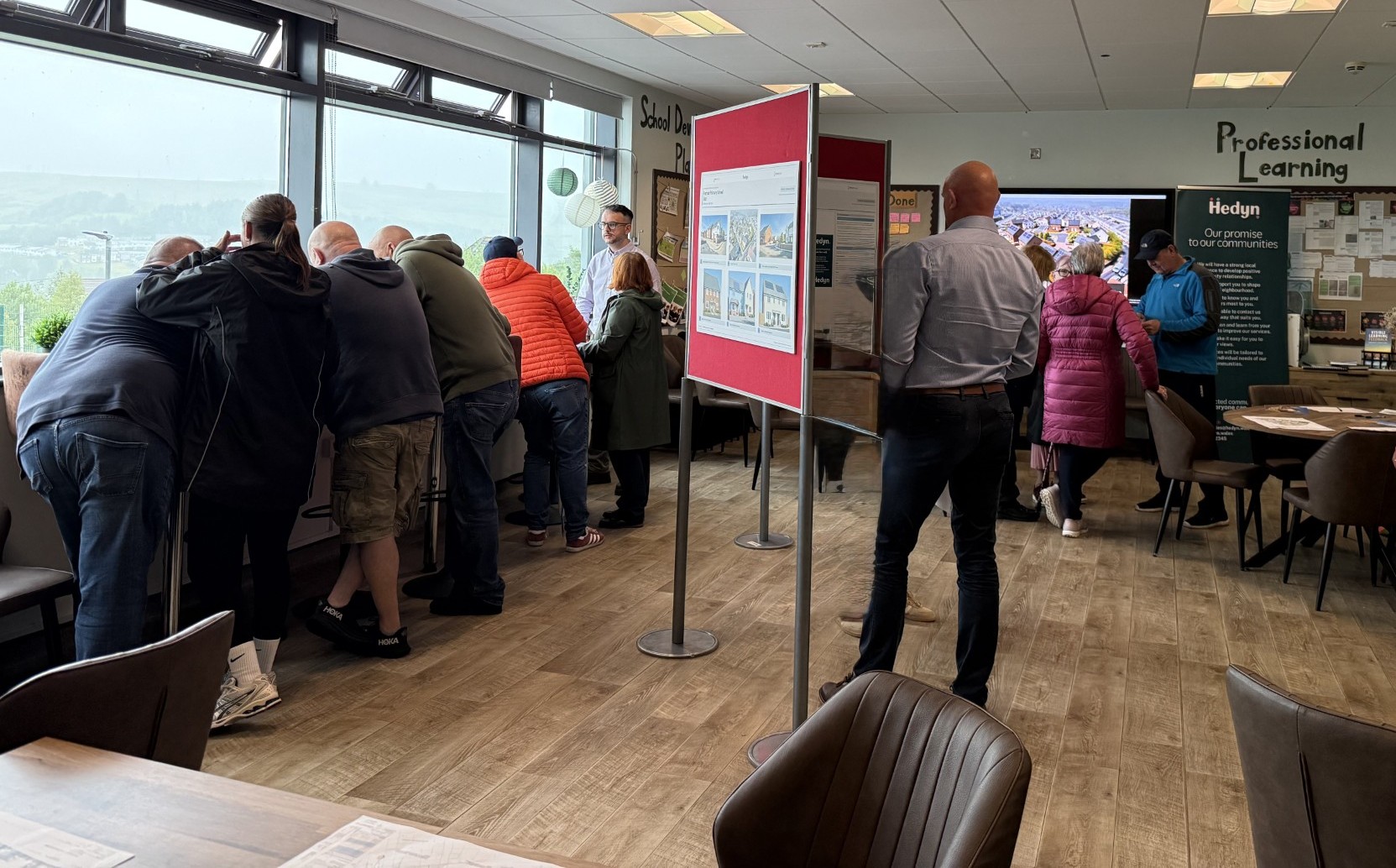
At Hedyn, creating opportunities for design discussion and constructive challenge has been a key part of establishing our new Design, Placemaking and Engagement team. The creation of my role as Design and Planning Manager, drawing on a background in architecture training and practice, reflects Hedyn’s commitment to informed discussion, constructive challenge and better design outcomes for our residents.
Central to this approach is ensuring that design decisions are informed by a deep understanding of place and community. Our Partnerships and Engagement Coordinator works closely with project teams to identify local needs and aspirations, helping to ensure that engagement is meaningful and that community insights directly influence the design process.
As a client organisation, having the ability to speak the language of design, understand the complexities of the planning system and work collaboratively to resolve challenges allows us to be a more informed and proactive partner. We have recently developed a briefing document for our professional teams that clearly sets out our expectations for the design of new homes. Importantly, it includes lessons learned from previous projects, encouraging reflection and helping teams avoid unintended consequences from past design decisions.
As our team evolves, we are keen to extend this culture of learning beyond our organisation and collaborate more closely with housing associations across Wales to continually improve the quality of homes and placemaking outcomes.
A Transport Perspective
Finlay McNab and Teresa Guerreiro, Design Leads, Transport for Wales
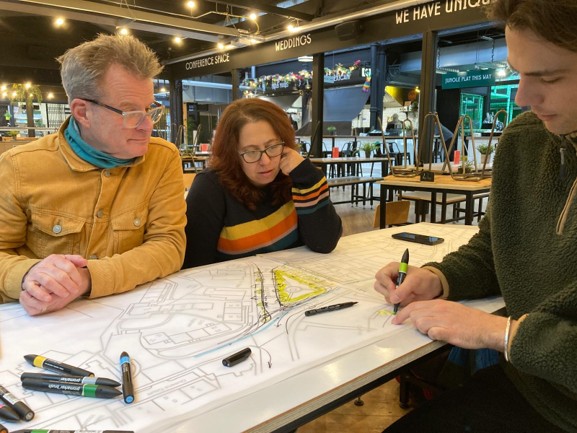
Our vision at Transport for Wales is to be Wales’ favourite way to travel and, to achieve this, we think of every journey as being from home to destination. This means investing in the whole network, integrating walking, wheeling and cycling with public transport.
Towards this aim, we provide interdisciplinary design support on behalf of the Welsh Government to local authority partners, including through our in-house Design Office and Active Travel Hub. We also support our internal teams, developing design briefs, designing and reviewing proposals for our transport hubs, such as bus and train stations.
Reflecting this diverse spectrum of activity, our teams use a variety of design review tools and approaches but always with the aim of inviting challenge, to refine design proposals and ultimately to raise the quality of outcomes.
This includes holding bi-weekly internal workshop sessions to discuss and evaluate proposed schemes, exploring potential opportunities or ways to address challenges and constraints presented by our complex urban realm. A key value of this collective review is to bring new perspectives from professionals with different backgrounds and expertise, fresh thinking, and to ensure compliance with current guidance and standards or sometimes to confirm that there isn’t always a perfect solution.
Ensuring everyone has equitable access and opportunity is a fundamental part of our vision, and therefore we also work closely with our Access and Inclusion Panel to test and evolve design proposals with people with a diversity of lived experience. This includes careful consideration of the safety of women and girls.
In addition, we have recently developed the ‘Cyfan’ Tool (‘Cyfan’ meaning ‘whole’ in Welsh) – which considers the multi-dimensional user experience of travelling to and through our transport hubs and interchanges. The tool is centred on TfW’s Placemaking Principles (closely aligned to the Placemaking Wales Charter). We typically utilise this tool at an early stage of projects to get a better understanding of local context to inform design briefs and optioneering.
Overall, we see the practice of Design Review as integral to ensuring design quality and ultimately creating places that provide a positive experience for all.
Although each organisation has a different approach, all three perspectives demonstrate that embedding the principles of Design Review – discussion, constructive challenge and shared learning – can strengthen decision-making and ultimately contribute to better places.