News
Unrealised Potential Within Our Towns
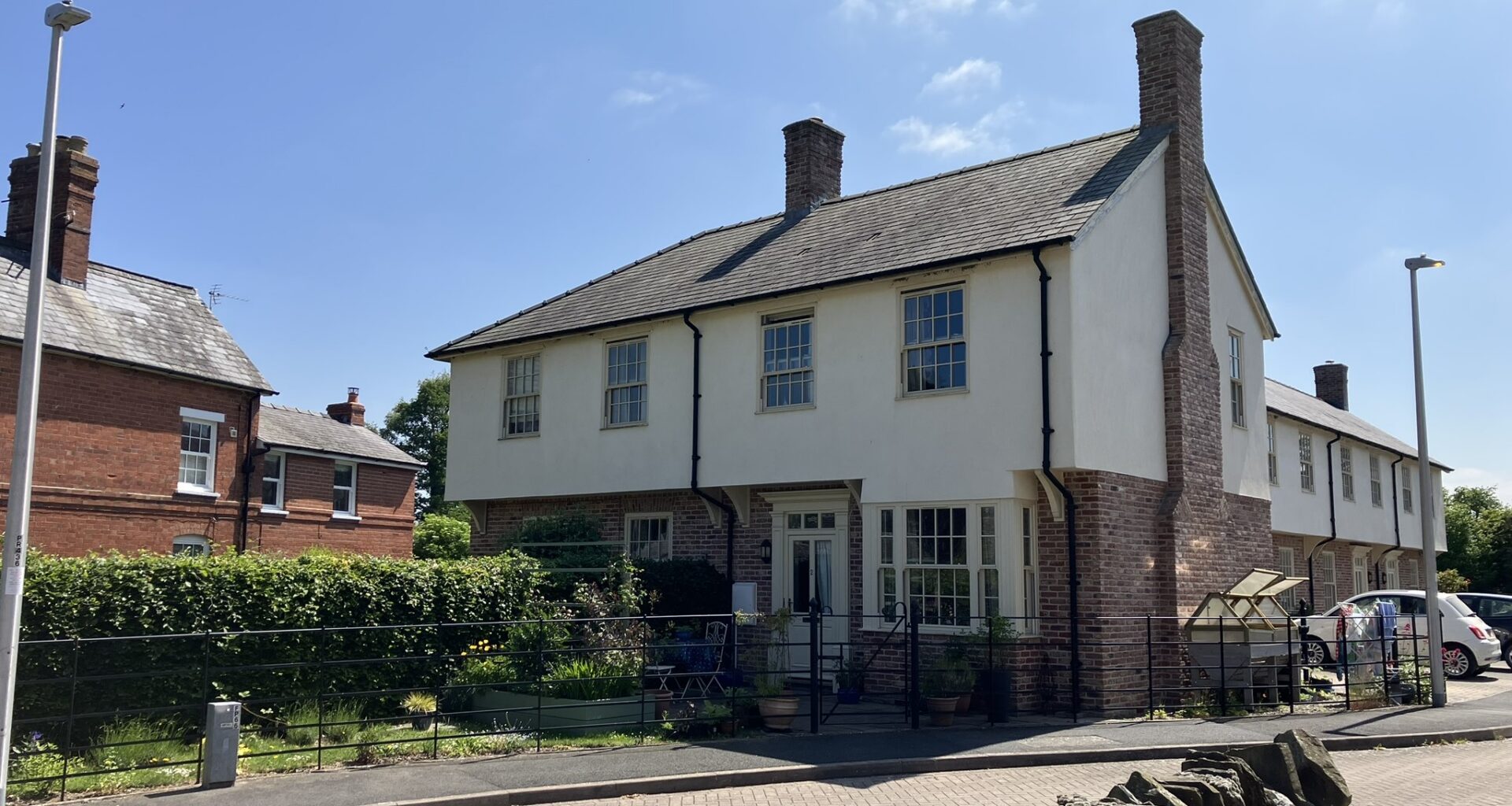
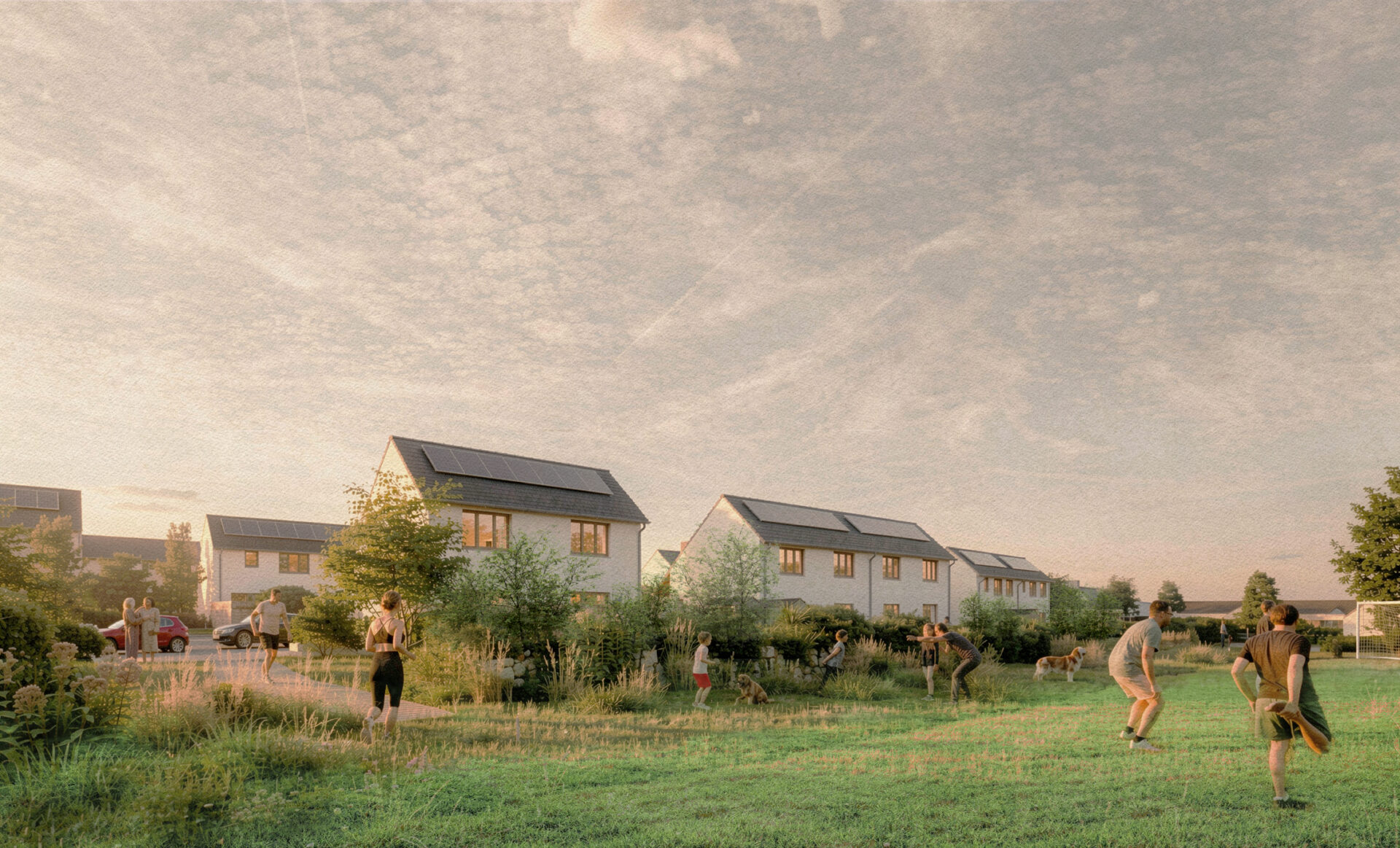
The concept of placemaking has always been a fundamental element in the creation of the best quality architecture, involving a design process that incorporates not only the buildings, existing and proposed, but also crucially the spaces between – the gaps. What is not there is just as important as what is there. It is this interaction with the careful consideration of the wider context which results in the formation of beautiful places that people love and value, environments which are special, comfortable, safe, sustainable, accessible and welcoming. This applies equally to small interventions within an existing setting as it does to larger scale developments.
In my hometown of Penarth, there are many placemaking opportunities, but realising their potential can be challenging. It requires us to consider not only what exists today, but what these places could become.
An example of this relates to the potential for sensitively designed new homes within the town’s existing rear lanes to provide much needed affordable housing. At present, most of the lanes contain poor quality, often semi-derelict domestic garages which are neither visually attractive nor do they contribute in any way to the lanes being safe pedestrian routes. The majority of car parking for the existing substantial Victorian properties, with their large rear gardens takes place on the main road/front forecourts onto which the houses face. Most garages are accordingly not used for vehicles, but for general storage.
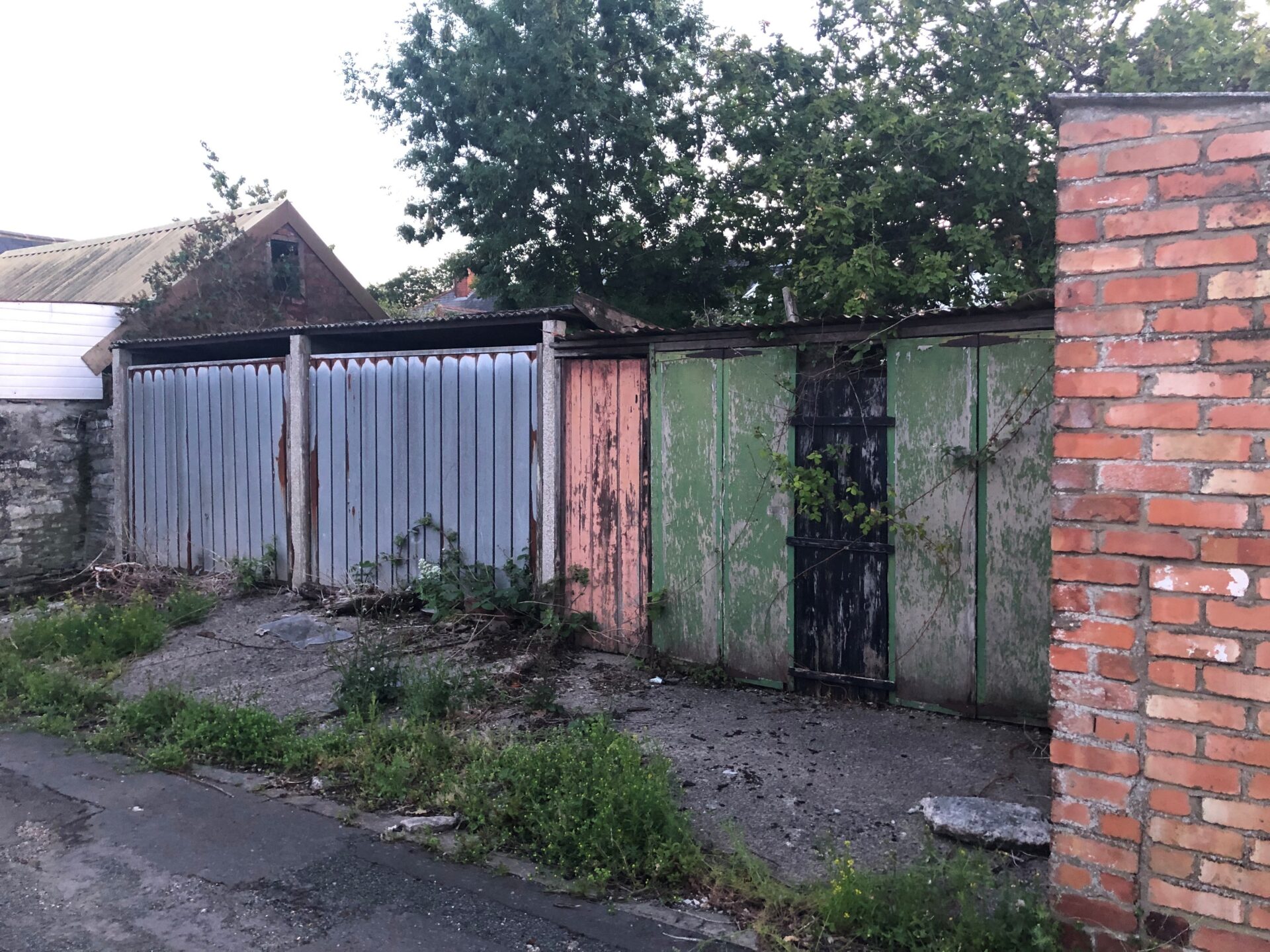
One example of this is Jack’s Lane, linking Victoria Road through to Victoria Avenue. It is an ideal location for a sensitively designed new small dwelling with a comfortable garden. Several proposals for a particular site have been made and planning applications lodged over the last decade to replace three garages with residential dwellings. It would add life to the lane and in doing so make it a safer public thoroughfare through occupation and surveillance. It is a sustainable location being very close to shops, cafes, bus stops and Penarth railway station. The proposals were for highly insulated, well-sealed low energy designs.
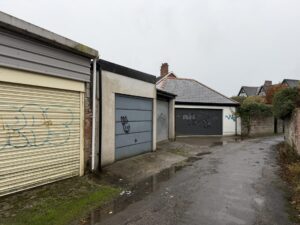
In each instance, planning permission was refused, including at appeal, due to concerns about establishing a new primary residential frontage onto the lane and the impact of the proposals on the character of the Conservation Area. These decisions highlight some of the challenges of bringing forward new homes within towns, even where sites are well located, offer opportunities for good placemaking and would improve the appearance of the lanes.
There are precedent examples of dwellings within the network of lanes, mostly historic conversions of coach houses. These examples demonstrate how residential uses can contribute to the character of the lanes, while adding activity and natural surveillance, and provide a starting point for considering how carefully designed new homes might also be accommodated.
There will be some cases where such development isn’t appropriate but, in the right locations and with the right design approach, there is an opportunity for the planning system to take a more enabling approach to well-designed small-scale development, recognising how places can evolve to meet today’s needs while respecting their existing character.
Individually, these opportunities may deliver only a small number of homes, but collectively they could make a meaningful contribution to housing delivery and the quality of our existing settlements. Good placemaking should be about recognising and realising this potential.