News
Strategic Placemaking Project | Rethinking How We Plan for Growth
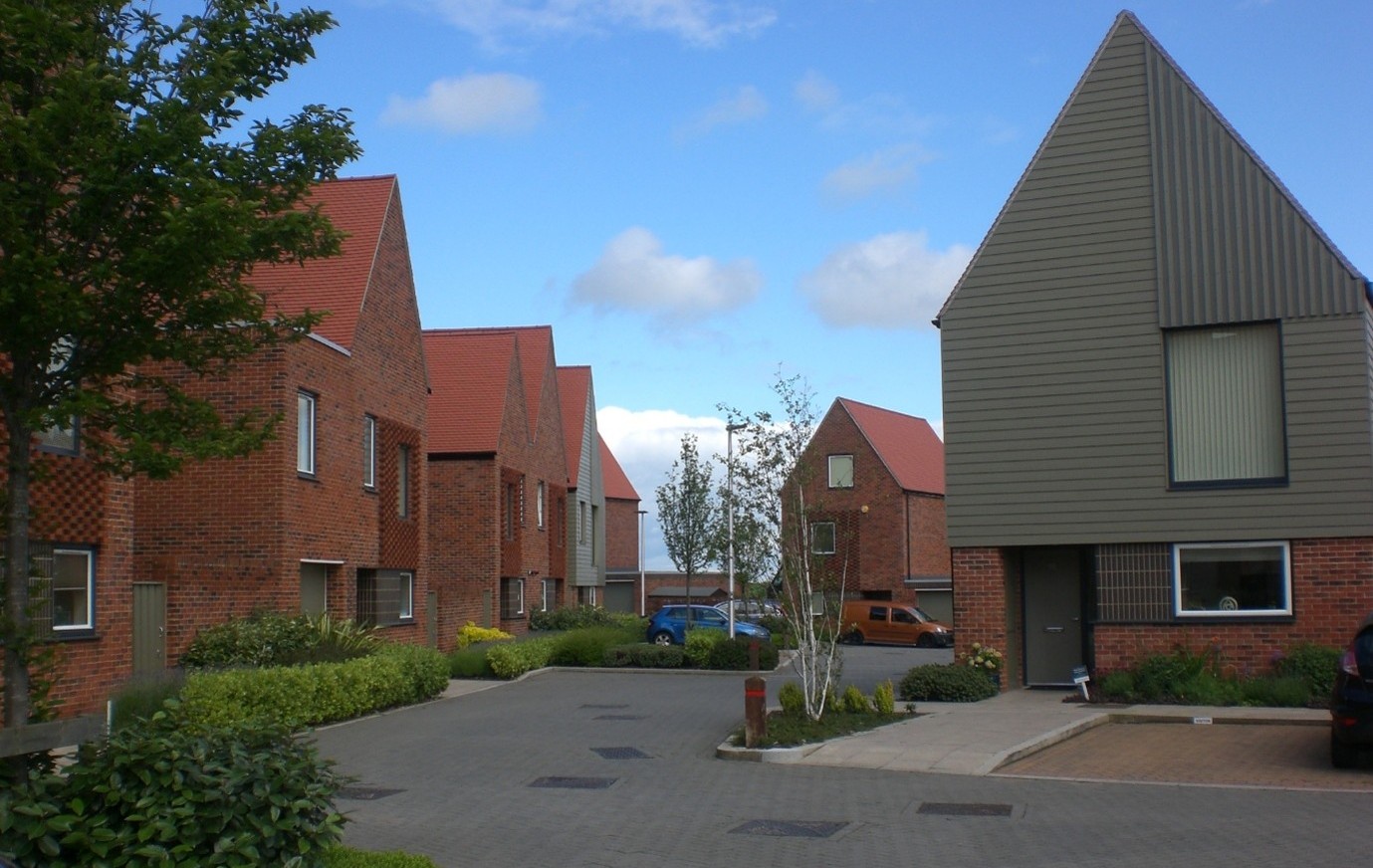
Where should new homes be built? The planning system has traditionally focused on identifying strategic allocations through the Local Development Plan process, with many of these sites located on the edge of existing settlements. While larger sites will continue to play an important role in meeting housing needs, our recent Strategic Placemaking Project suggests there is significant untapped potential within the places we already have.
Future Wales: The National Plan 2040 encourages planning authorities to take a strategic placemaking approach by establishing a vision and spatial framework for places to guide future growth and regeneration. The Strategic Placemaking Project explored one practical methodology for helping to translate that ambition into collaborative, place-based planning.
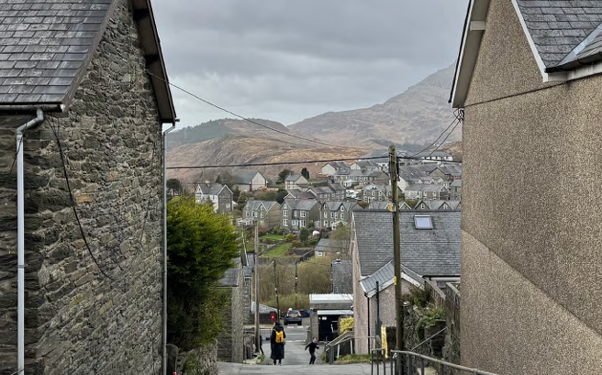
With funding from the Welsh Government, we worked with eight planning authorities, exploring opportunities for growth in 16 towns and neighbourhoods across Wales. Rather than beginning with candidate sites or numerical capacity studies, the project took a place-based approach, bringing together colleagues from planning, housing, regeneration, transport, estates and other disciplines to explore how existing settlements could evolve over time.
Across every authority, opportunities emerged that had not previously been identified through conventional planning processes. These ranged from underused and vacant sites, surplus public sector land and redevelopment opportunities to infill sites, opportunities within existing housing estates and development above existing uses. Individually, many of these sites were modest in scale, but collectively they demonstrated the potential to make a meaningful contribution to housing delivery whilst making better use of existing infrastructure, supporting town centres and encouraging more sustainable patterns of development.
One of the strongest messages to emerge from the workshops was the value of spending time in places, understanding their character and challenges, and bringing together colleagues from different disciplines to share knowledge and perspectives. This collaborative process helped identify opportunities that might otherwise have been overlooked and encouraged discussion about the types of development most appropriate to each location.
The project also highlighted that identifying opportunities is only part of the challenge. Many of the barriers to delivery relate to viability, land ownership, policy, resources and collaboration. Planning authorities have an important role to play not only in regulating development, but also in shaping places proactively by identifying opportunities, establishing clear expectations for design and creating the conditions needed to bring development forward. Good design is central to this process, helping to unlock constrained sites, build confidence and maximise the benefits that development can bring to communities.
The project has reinforced our belief that planning for growth should be about more than allocating land. It should involve understanding places, identifying opportunities, establishing clear design principles and working collaboratively to shape sustainable, well-designed development that responds to local context.
Building on these findings, the report identifies three potential next steps for DCFW and Welsh Government:
- Embed place-based opportunity studies within plan-making – Supporting a more proactive, place-based approach to Local Development Plan preparation.
- Provide support and training to help authorities apply the approach – Building skills, confidence and consistency in applying the methodology across Wales.
- Develop a delivery-focused small sites programme – Helping to unlock well-designed development on small sites through collaboration and design-led support.
The full report below explores these findings and next steps in more detail, including proposals for embedding place-based opportunity studies within the Local Development Plan process and supporting planning authorities to apply the methodology in practice. It also includes an example workshop report from Gwynedd, illustrating the discussions, opportunities and outputs generated through one of the project’s workshops.
The project has shown that planning for growth is not simply about finding more land. It is about understanding places more deeply and creating the conditions for well-designed, sustainable development to come forward.